The Spiritual Capability
A universal theory of human flourishing cannot be complete if it leaves no room for the human need to live ...

Using real-world interventions, surveys, and qualitative research, I study how norms shift and how communities redefine their boundaries.
This work builds an evidence base for deep, lasting social change.

This work explores how social norms, perceptions, and power structures define what is seen as legitimate, possible, and true – particularly within Haredi society and in contexts of poverty. Working in real-world settings, I use hands-on, field-based methods to examine how these dynamics evolve and how communities reshape their realities from within. The goal is to generate grounded knowledge that supports meaningful, lasting social change.
A universal theory of human flourishing cannot be complete if it leaves no room for the human need to live ...

What makes a man desirable? Not money, but the kind of status his culture rewards
Among U.S. ultra-Orthodox Jews, poverty is not only an economic condition but a social trap—where the very networks that preserve ...
In Haredi society, women earn the money—but men gain the status.
Environmental commitment was found to be predicted most strongly by a person’s level of openness to the modern world, not ...
When environmental policy feels like political punishment, it may not only fail to change behavior—but also produce a lasting backlash ...
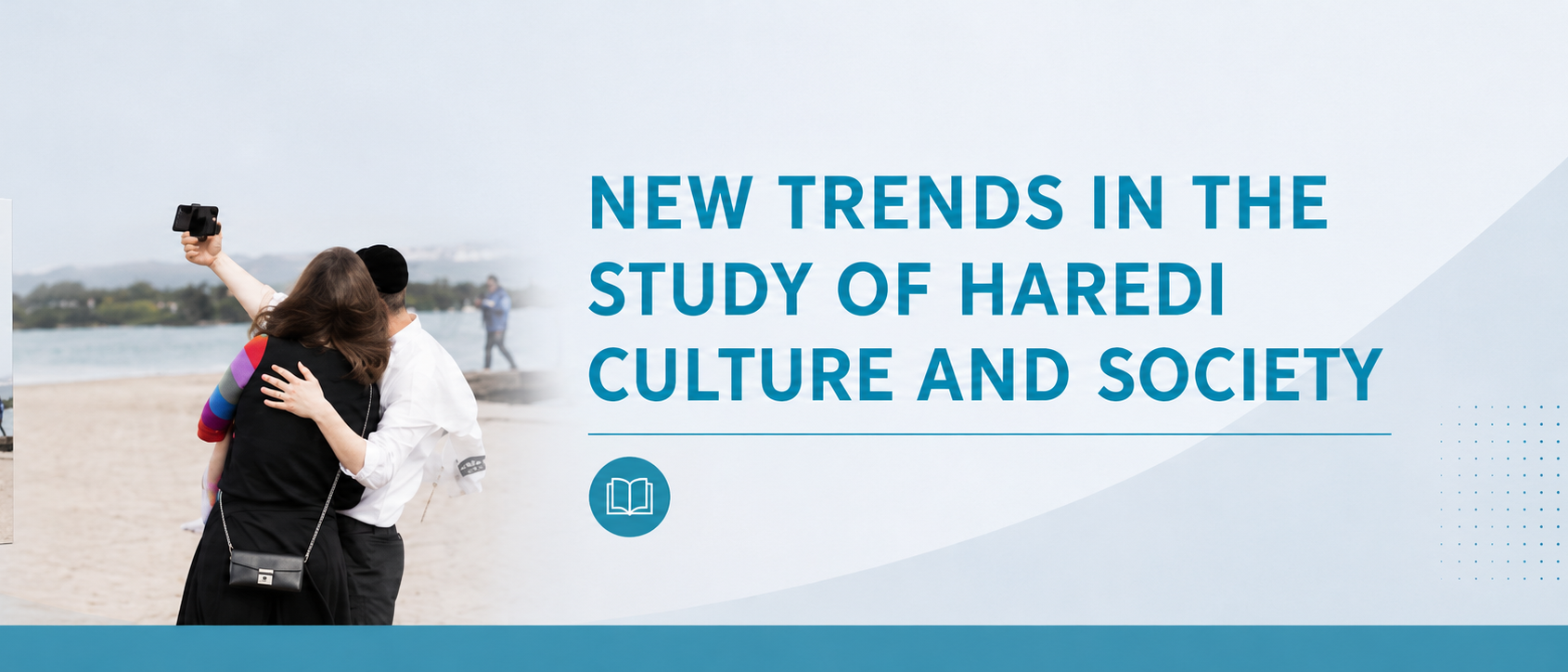
The same religious world can produce very different political identities when Haredi communities live under different states, democracies, and national ...
When identity is threatened, poverty can become a source of pride.
The article examines the social stigma against Haredi men who enlist in the army, showing that the enforcement of this ...

This article examines the wellbeing of Haredi men who enlist in the Israeli army, highlighting how resilience, belonging, and stigma ...

A small act of norm-breaking can feel deeply uncomfortable—and reveal how powerfully community belonging is held together by everyday conformity
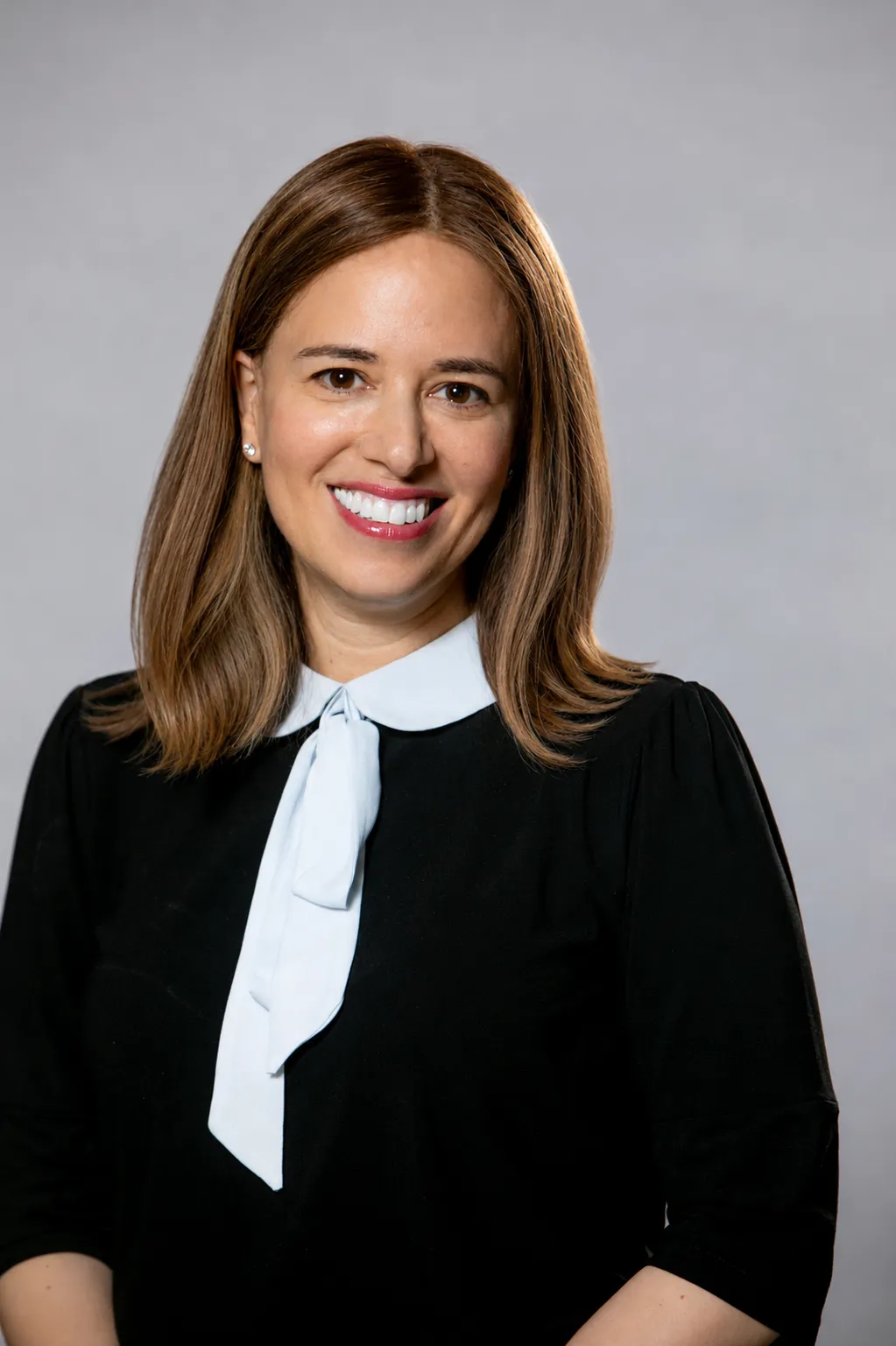
A political psychologist at Tel Aviv University.
Born and raised in the Haredi community, my work is shaped by the experience of living within—and across—different social worlds. I study how social norms, power, and identity shape the realities people inhabit, and how these realities can change from within.
My research focuses on minority and closed communities, with a particular emphasis on Haredi society. Earlier in my career, I led a reform of the history curriculum in the Haredi education system and authored a central textbook still used by girls’ schools across the sector.
Beyond academia, I work at the intersection of research, policy, and social leadership. In 2023, I was part of a group of women who brought public attention to sexual violence within Haredi society. Following the events of October 7, I founded “Achdut,” the largest Haredi civilian command center, coordinating more than 100,000 volunteers.
My research has been published in leading journals, including Evolution and Human Behavior, Policy Sciences, Behavioral and Brain Sciences, and Group Processes & Intergroup Relations. I have received several awards, including the Early Career Excellence Award from the Association for Israel Studies and the Rector’s Teaching Excellence Award, recognizing both my research and teaching.
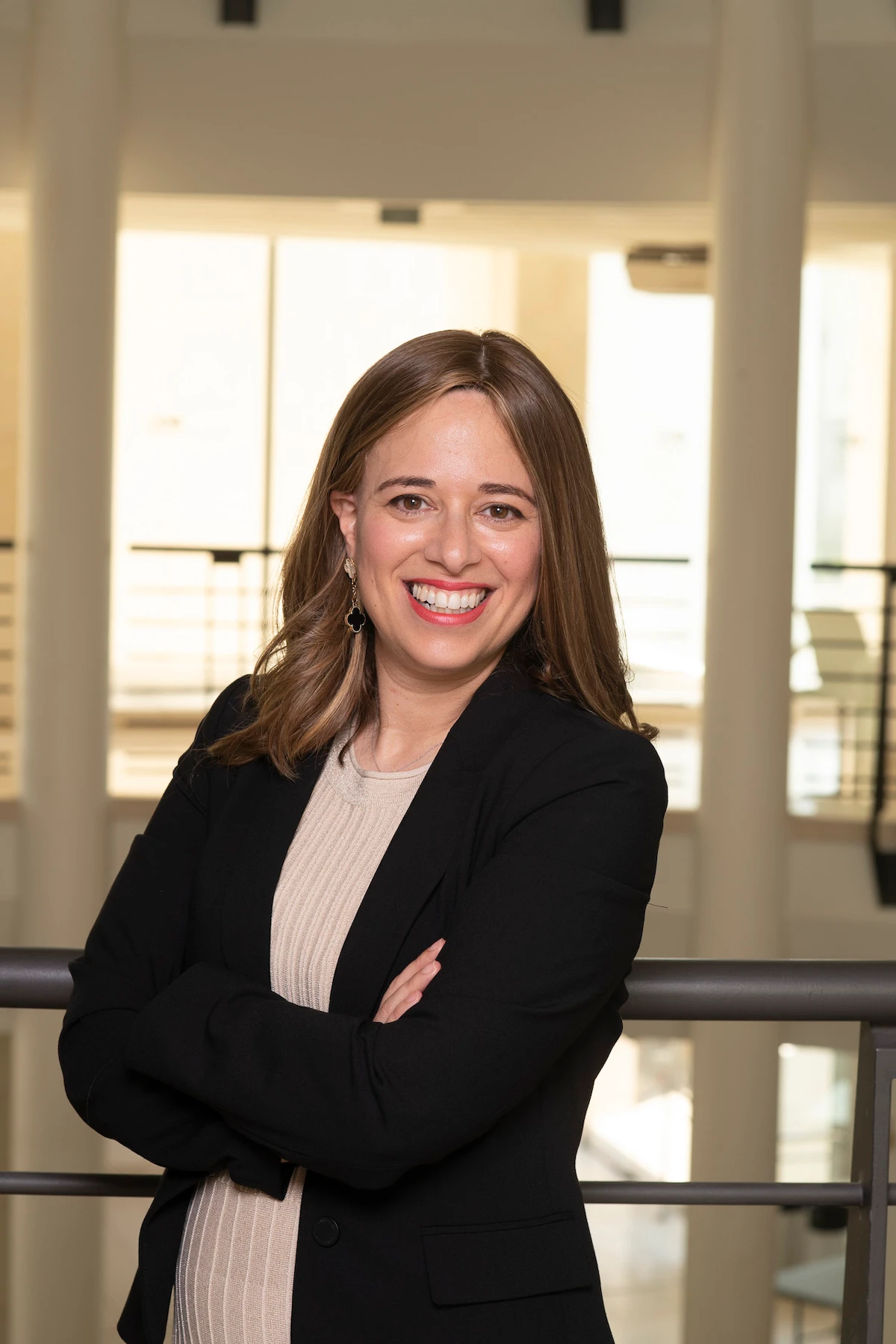


Here goes your text … Select any part of your text to access the formatting toolbar.
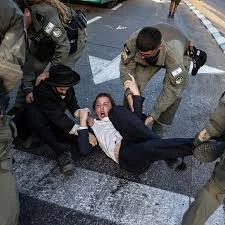
The War in Israel Over Serving in War The New York Times

They tell me, ‘Nechumi, when will you become secular?’ But neither the secular nor the ultra-Orthodox have all the light.”

A new and optimistic study reveals dominant subgroups that we can build the future with them.
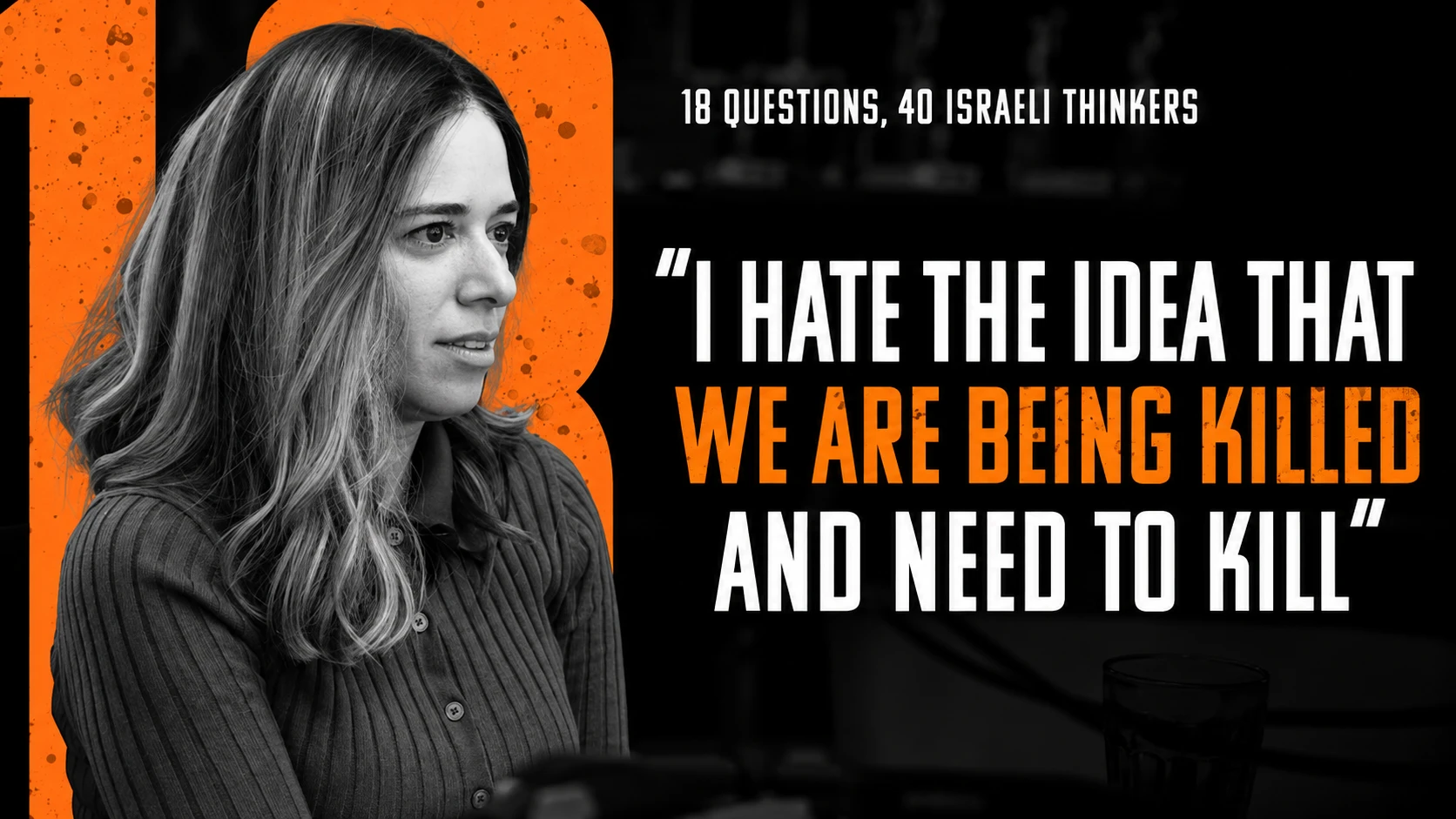
18forty

About 50% of Haredim Want to Integrate into Israeli Society. YNET

In fact, the Haredi community may be one of the greatest sources of hope for the future
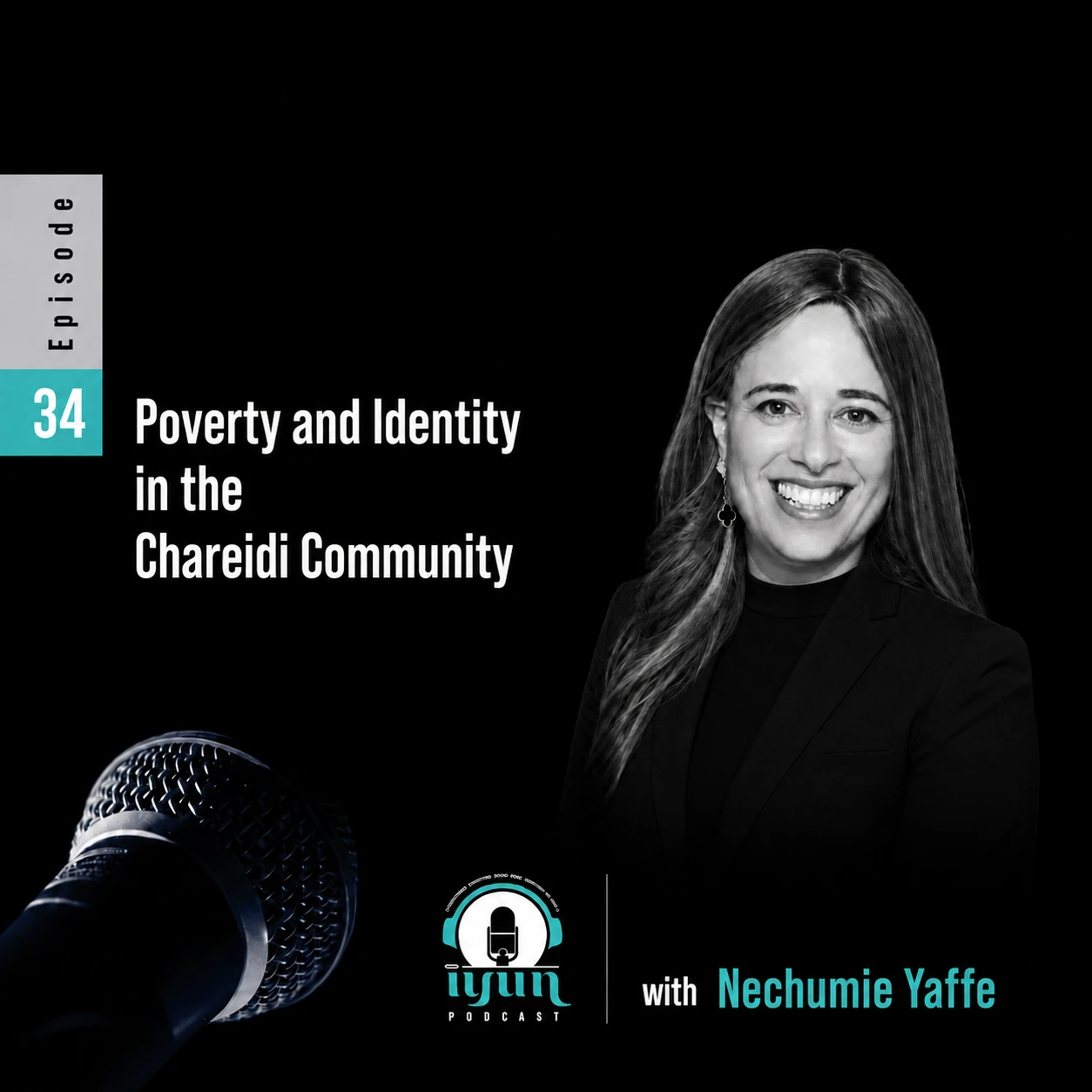
A personal conversation about poverty, identity, and belonging in the Haredi community. I share parts of my own journey, alongside ...
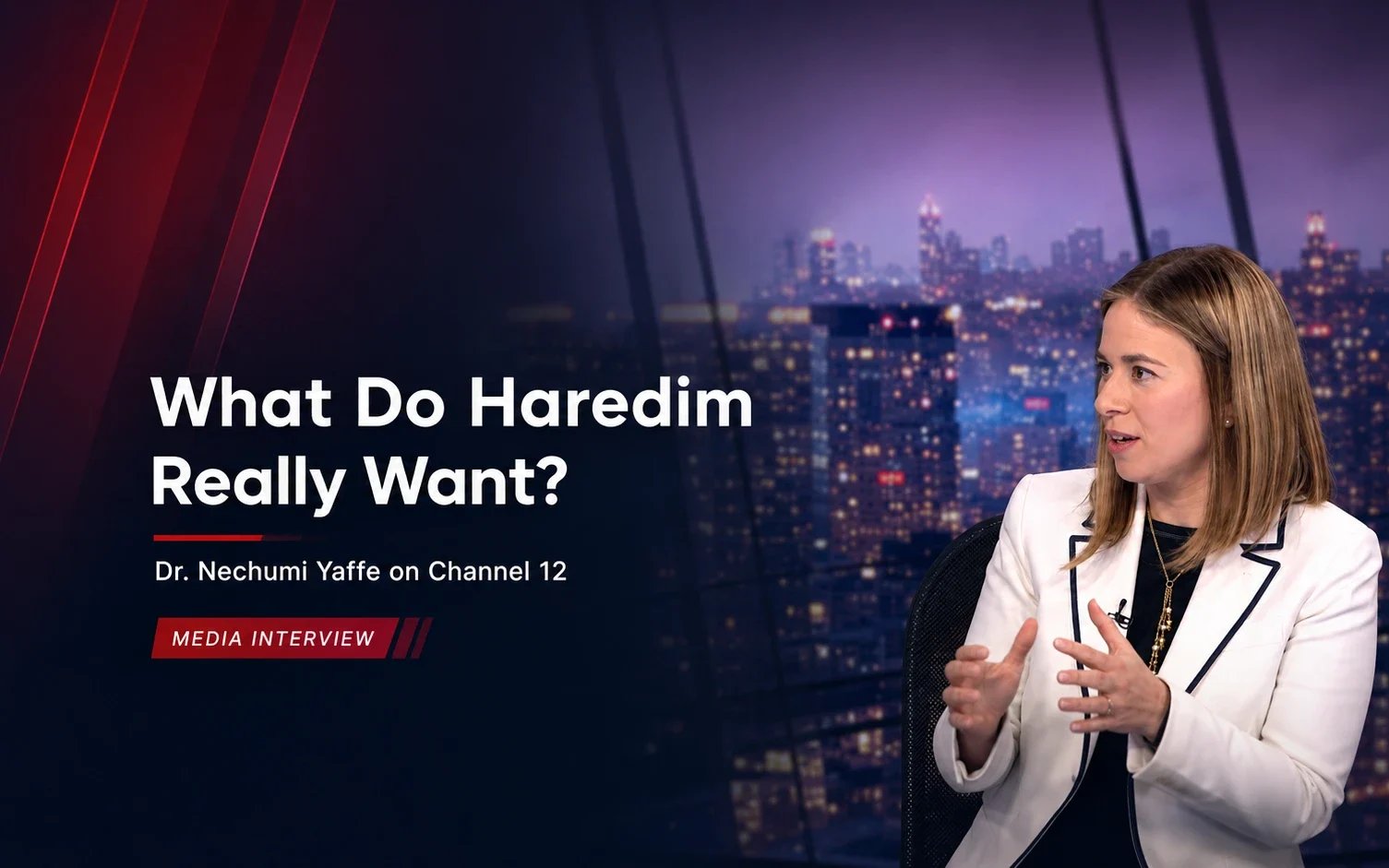
A conversation about research that reexamines and remaps social norms within Haredi society—revealing how attitudes, identities, and expectations are changing ...